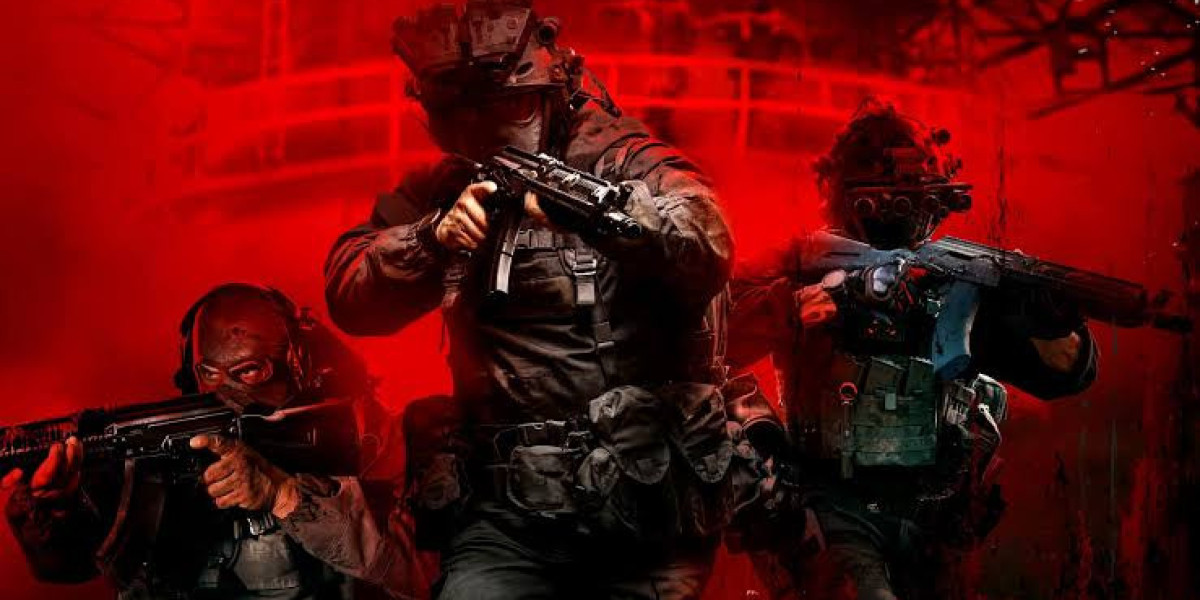

Solo queue feels harsher in the current MW4 environment because faster engagements and more aggressive rotations punish anyone waiting for perfect team coordination. You may have strong aim and still lose because a teammate ignores a call, leaves an angle open, or arrives several seconds too late. That is why self-sufficient decision making has become such a valuable playstyle, especially for players using tools such as Bot Lobby MW4 practice sessions to refine movement, audio awareness, and personal timing without relying on a full squad. The goal is not to play timidly; it is to create fights where your own information and positioning matter more than uncertain support.
1 The Anchor Build: Reliable Positioning
The Anchor Build is designed for players who prefer to hold useful ground, gather information, and make opponents approach through uncomfortable angles. It solves the most common solo queue problem: being forced into a fight before you understand where the rest of the enemy team is.
Its greatest strength is consistency. You are not asking random teammates to protect every side of your position, but you are also not sprinting into every sound cue. A good anchor changes locations before becoming predictable and keeps a clear route for retreat.
Why This Build Works
◆ Strong when teammates are scattered across the map.
◆ Turns audio and sightline information into safer engagements.
◆ Rewards patience without removing the ability to pressure objectives.
Core Gameplay
1) Reach a position that watches an objective approach, rotation lane, or likely enemy entry.
2) Check the nearest vulnerable angle before focusing on the main lane.
3) Hold long enough to collect useful information, then move when the enemy begins reading your position.
4) Leave before a losing fight becomes a desperate escape.
This approach works best when you treat every position as temporary. If you secure one elimination, don't immediately chase the second player unless the audio clearly supports it. The Anchor Build is strongest when it makes opponents reveal themselves while you preserve your own options.
◆ Best for players who value controlled fights and steady objective pressure.
◆ Not ideal when the match requires constant rapid movement across distant objectives.
2 The Scout Build: Information Before Damage
The Scout Build fits players who win through awareness rather than raw reaction speed. It focuses on creating personal information with sound, visual checks, safe peeks, and deliberate route choices. In solo queue, that information is often more valuable than a confident call that nobody follows.
This build solves the problem of entering an area with no idea whether the enemy has rotated, regrouped, or left a trap behind. You are still looking for fights, but you want to begin them with a clear advantage in knowledge.
Why This Build Works
◆ Reduces surprise attacks during rotations.
◆ Helps identify which fights are isolated and which are connected to a larger push.
◆ Makes limited teammate communication less damaging.
Core Gameplay
1) Pause briefly before crossing open ground and listen for reloads, footsteps, equipment, or distant gunfire.
2) Use cover to inspect the next area instead of committing from the center of a lane.
3) Mark enemy activity through movement and positioning rather than relying only on voice communication.
4) Rotate toward the side of the map with the clearest information, not simply the loudest action.
The weakness is tempo. You may arrive late to a fight while gathering information, and some teammates will interpret that as hesitation. Don't let their impatience pull you into a blind entry. A late arrival with knowledge often has more value than an early arrival with no escape route.
◆ Best for players who notice sound details and prefer calculated engagements.
◆ Not ideal for players who become uncomfortable when they are not constantly attacking.
3 The Opportunist Build: Selective Aggression
The Opportunist Build is for players who enjoy fast fights but need a stronger filter for deciding when to commit. Its core idea is simple: aggression should follow weakness. A damaged opponent, an isolated rotation, a reload sound, or a distracted squad can create a high-percentage opening.
This build addresses the solo queue habit of forcing action just to maintain momentum. You still play assertively, but every push has a reason and a stopping point. That makes the style far more dependable than charging toward every visible target.
Why This Build Works
◆ Converts enemy mistakes into quick advantages.
◆ Keeps pressure high without requiring flawless squad timing.
◆ Gives aggressive players a clear escape condition.
Core Gameplay
1) Watch for a target that is separated, weakened, or moving without cover.
2) Push only when your route includes nearby protection or a retreat option.
3) Secure the immediate advantage, then pause to read the next audio cue.
4) Disengage when a second enemy angle appears and your support is not close enough.
The important skill is ending the push. Many solo players win the first exchange and then lose the entire encounter because they assume the second elimination is guaranteed. If the enemy's formation is still intact, surviving with your advantage is usually better than chasing a highlight moment.
◆ Best for players with confident mechanics who want structured aggression.
◆ Not ideal when the map offers little cover or when enemies are consistently grouped.
4 The Survivor Build: High-Percentage Decisions
The Survivor Build prioritizes staying alive, preserving resources, and reaching the next favorable opportunity. It is not passive play. It is a deliberate response to matches where teammates fall early, objectives are poorly timed, or the enemy has superior control of the central routes.
This style is particularly useful for players who lose winnable matches by contesting every fight. Sometimes the correct decision is to leave an objective, take a longer route, or wait for two enemy players to damage each other before entering.
Why This Build Works
◆ Protects your ability to influence the late stages of a match.
◆ Reduces unnecessary deaths caused by isolated contests.
◆ Performs well when teammate quality varies from round to round.
Core Gameplay
1) Identify the safest route toward the next useful position.
2) Preserve defensive resources before entering a contested area.
3) Contest only when the objective provides a realistic path to survival.
4) Re-enter the action after enemies reveal their locations or spend their strongest tools.
The limitation is psychological as much as tactical. You may watch another team claim a position that looked tempting, but a bad contest can remove you from the match entirely. Survival gives you more chances to use your aim, make a late rotation, and punish players who overextend.
◆ Best for players who want consistency and strong late-game influence.
◆ Not ideal when your squad needs immediate pressure to prevent a decisive loss.
Which Build Should Players Choose?
Choose the Anchor Build if you prefer stable positions and controlled sightlines. Pick the Scout Build if your strongest skill is reading sound, movement, and enemy patterns. The Opportunist Build suits mechanically confident players who want aggression with clear limits, while the Survivor Build is the safest choice when the match feels chaotic or your teammates repeatedly disappear from key areas.
You'll improve faster by committing to one decision framework for several matches instead of changing styles after every defeat. Track why each death happened: missing information, poor positioning, an unnecessary chase, or a contest with no realistic support. If you use buy MW4 Bot Lobby practice time, focus on repeating those decisions under pressure rather than simply chasing a higher elimination count. Solo queue becomes much more manageable when every rotation has a purpose and every fight has an exit.

Messages populaires
-
 eznpc Why Diablo 4 Season 12 Battle Pass Rewards Matter in March 2026
Par EmberPhoenix
eznpc Why Diablo 4 Season 12 Battle Pass Rewards Matter in March 2026
Par EmberPhoenix -
 Druid Build Freedom Thrives in Diablo IV Season 13
Par Ayra Stark
Druid Build Freedom Thrives in Diablo IV Season 13
Par Ayra Stark -
 The Rise of New Crypto Casinos and What It Means for Gamers
Par cameronmcelroy
The Rise of New Crypto Casinos and What It Means for Gamers
Par cameronmcelroy -
 U4GM What s the quickest Broken Guidance System route ARC Raiders
Par Hartmann846
U4GM What s the quickest Broken Guidance System route ARC Raiders
Par Hartmann846 -
 U4GM Why ARC Raiders 1.19.0 Matters Devotee Gear Fixes
Par Hartmann846
U4GM Why ARC Raiders 1.19.0 Matters Devotee Gear Fixes
Par Hartmann846